



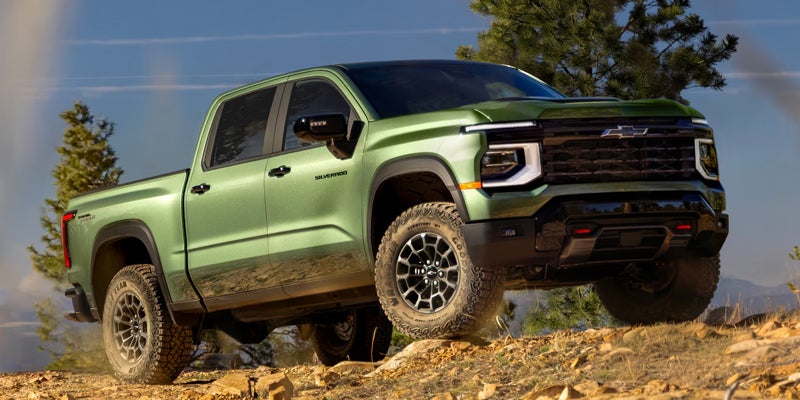
Blog / 2027 Chevrolet Model Lineup

What Makes the 2027 Chevrolet Silverado 1500 ZR2 Different? Off-Road Technology, Suspension, and Everyday Capability

2026 Chevrolet Silverado

The 2027 Chevrolet Silverado 1500 ZR2 stands out with 35-inch mud-terrain tires, a 2-inch factory suspension lift, front and rear electronic locking differentials, and Multimatic DSSV dampers paired with jounce dampers. The redesigned ZR2 also introduces underbody cameras, a Baja drive mode, and updated interior technology, giving drivers equipment designed for challenging off-road conditions while retaining the comfort and utility of a full-size pickup. For shoppers around Milledgeville, GA, the Silverado ZR2 may appeal to drivers who regularly travel on rural property roads, navigate uneven terrain, or simply want a truck with specialized suspension and traction equipment. Understanding how these features work can help determine whether the ZR2 fits your everyday driving and recreational needs.

Shop New Chevrolet Trucks Schedule a Silverado Test Drive

What Makes the 2027 Chevrolet Silverado ZR2 Different?

The 2027 Silverado ZR2 is an off-road-focused configuration of Chevrolet's redesigned full-size light-duty pickup.

While the Silverado lineup includes models designed for work, everyday transportation, and recreational use, the ZR2 adds specialized equipment for driving on challenging surfaces.

Its major features include:

  • 35-inch mud-terrain tires: Provide an aggressive tread design for certain loose and uneven surfaces.
  • 2-inch factory lift: Raises the suspension to support the truck's off-road geometry.
  • Multimatic DSSV dampers: Help manage suspension movement across varied terrain.
  • Jounce dampers: Provide additional suspension control during large impacts or compression events.
  • Front and rear electronic locking differentials: Help manage traction when wheel grip varies.
  • Available Duramax diesel and 6.6L V8 engines: Give shoppers different powertrain choices.
  • Baja drive mode: Adjusts vehicle operating systems for certain higher-speed off-road conditions.
  • Underbody cameras: Provide additional visibility of terrain beneath the vehicle.
  • Available ZR2 Bison Edition: Adds specialized American Expedition Vehicles equipment and protection.

For drivers in Milledgeville, Eatonton, Sparta, and Sandersville, these features are worth understanding because off-road equipment can affect everyday ride characteristics, tire wear, maneuverability, and vehicle capability.

1. How Do the ZR2's 35-Inch Mud-Terrain Tires Help Off-Road?

The 2027 Chevrolet Silverado ZR2 comes equipped with 35-inch mud-terrain tires mounted on 18-inch wheels.

These larger tires are a notable change from the 33-inch mud-terrain tires used on the previous-generation Silverado ZR2.

Mud-terrain tires are designed with aggressive tread blocks and wider voids that can help provide traction on certain loose surfaces.

These characteristics may be useful when traveling over dirt, gravel, mud, and uneven ground.

Why Tire Diameter Matters

Increasing tire diameter can help a vehicle roll over certain obstacles and improve clearance beneath some components.

For example, a Silverado ZR2 traveling on a properly maintained private property trail near Eatonton may encounter ruts, exposed roots, or uneven ground.

The truck's larger tires and factory suspension equipment can help it navigate some of those conditions.

However, tire size does not guarantee that a vehicle can clear every obstacle.

Ground clearance also depends on suspension design, axle components, vehicle loading, and the terrain itself.

Are Mud-Terrain Tires Good for Everyday Driving?

Mud-terrain tires are designed with off-road traction in mind, which can involve tradeoffs during ordinary pavement driving.

Compared with less aggressive tire designs, they may produce more road noise, different steering responses, and different wear characteristics.

Fuel economy and wet-road behavior can also vary with tire design, pressure, and driving conditions.

For someone commuting between Milledgeville and Macon, it is worthwhile to evaluate highway noise, ride comfort, and steering feel during a test drive.

Drivers should also follow Chevrolet's tire pressure recommendations and use replacement tires that meet the manufacturer's specifications.

2. What Does the ZR2's 2-Inch Factory Lift Do?

The 2027 Silverado ZR2 includes a factory-installed 2-inch suspension lift.

This lift is part of the vehicle's engineered off-road suspension system rather than an aftermarket modification installed after purchase.

The increased ride height works with the ZR2's tire and suspension configuration to support its off-road capabilities.

Improved Clearance on Uneven Terrain

Additional clearance can be useful when driving over ruts, uneven surfaces, and certain obstacles.

For example, a property owner around Sparta may occasionally travel on uneven private access roads where the pavement ends.

The ZR2's factory suspension configuration can provide additional capability compared with a conventional road-oriented pickup.

However, drivers should still evaluate approach, departure, and breakover clearances before crossing obstacles.

How Does a Lift Affect Daily Driving?

A taller truck can require more effort when entering and exiting the cabin.

It may also affect parking clearance, garage access, and the height of the cargo bed.

For owners who frequently load heavy tools or supplies, bed height is an important consideration.

A suspension lift can also influence vehicle handling and the center of gravity.

The factory lift is designed as part of the ZR2's overall vehicle configuration, but drivers must still take turns at appropriate speeds and avoid abrupt maneuvers.

3. How Do Multimatic DSSV Dampers Work?

One of the Silverado ZR2's defining features is its Multimatic Dynamic Suspensions Spool Valve, or DSSV, damper technology.

Shock absorbers help control suspension movement after a wheel encounters a bump, dip, or other road irregularity.

Multimatic DSSV dampers use specially engineered internal valves to control damping forces under different suspension conditions.

For 2027, Chevrolet pairs the ZR2's DSSV dampers with jounce dampers for additional control during demanding suspension movements.

What Makes DSSV Dampers Useful Off-Road?

When a truck travels over uneven terrain, the suspension must absorb impacts while helping keep the tires in contact with the ground.

Appropriate damping helps manage how quickly the suspension compresses and extends.

Chevrolet designed the ZR2's Multimatic suspension for challenging conditions ranging from rocky trails to higher-speed off-road driving.

For example, when driving over a series of bumps on an authorized recreational trail, the suspension needs to respond repeatedly without excessive bouncing.

The DSSV system is engineered to help manage those movements.

What Are Jounce Dampers?

Jounce dampers provide additional resistance and energy management as suspension compression approaches its limits.

They can help the suspension manage larger impacts or demanding terrain transitions.

This is particularly relevant when suspension movement becomes more extreme.

However, jounce dampers do not mean the vehicle can safely travel at unlimited speeds over rough terrain.

Vehicle speed, terrain conditions, tire traction, and the driver's experience still determine what is appropriate.

Does the ZR2 Suspension Help on Paved Roads?

Chevrolet developed the ZR2 to balance specialized off-road suspension performance with everyday driving capability.

Drivers may appreciate the suspension's controlled response over certain pavement irregularities.

However, ride comfort is subjective, and the truck's large mud-terrain tires and suspension configuration may feel different from those of a conventional Silverado.

A test drive on ordinary roads is useful for determining whether the ZR2's ride characteristics match your preferences.

4. What Do Front and Rear Electronic Locking Differentials Do?

The 2027 Silverado ZR2 includes standard electronic locking differentials at both the front and rear axles.

Differentials allow wheels on the same axle to rotate at different speeds, which is important during normal turning.

However, in certain low-traction situations, an open differential can allow a wheel with limited grip to spin while another wheel has more available traction.

Locking a differential can help both wheels on an axle rotate together under appropriate conditions.

Why Are Locking Differentials Useful?

Consider a ZR2 traveling over uneven ground where one wheel has less traction than another.

An appropriately engaged locking differential may help the truck maintain forward movement by reducing the difference in rotational speed between the wheels on that axle.

Having both front and rear lockers gives the ZR2 additional traction-management capability for certain difficult off-road situations.

When Should You Use the Lockers?

Locking differentials are intended for specific operating conditions and must be used according to Chevrolet's instructions.

They are not designed to remain engaged during all ordinary pavement driving.

Using a locked differential in inappropriate conditions can interfere with normal turning and place unnecessary stress on drivetrain components.

Drivers should consult the owner's manual for engagement requirements, speed restrictions, and operating limitations.

5. What Is Baja Mode on the 2027 Silverado ZR2?

The redesigned 2027 Silverado ZR2 introduces a Baja drive mode designed for certain higher-speed off-road conditions.

According to Chevrolet, Baja mode adjusts systems such as power delivery, transmission behavior, and stability and traction controls to support driving on surfaces such as sand or gravel.

It works with the ZR2's specialized suspension and drivetrain equipment.

Does Baja Mode Make the ZR2 Faster?

Baja mode is not simply a setting intended to maximize acceleration.

Its purpose is to coordinate vehicle systems for a particular type of off-road driving.

Different drive modes can alter how the truck responds to accelerator input, gear selection, and changing traction conditions.

However, Baja mode does not increase the vehicle's certified towing or payload capacity.

It also does not eliminate the limitations imposed by tires, terrain, or vehicle weight.

Should You Use Baja Mode on Georgia Roads?

Baja mode is intended for appropriate off-road conditions, not everyday public-road driving.

For routine travel around Milledgeville, Eatonton, and Sandersville, drivers should use the operating mode appropriate for normal road conditions.

Specialized off-road modes should be used only where permitted, with suitable terrain, and according to the manufacturer's instructions.

Never use Baja mode as a reason to exceed safe speeds on gravel roads or public highways.

6. How Do the 2027 ZR2 Underbody Cameras Work?

One notable addition to the 2027 Silverado ZR2 is its underbody camera system.

Chevrolet introduces front- and rear-facing underbody cameras with a wash system, providing new perspectives of terrain beneath the truck.

These views can help drivers understand the position of certain obstacles that may not be visible through the windshield.

Why Are Underbody Cameras Useful?

Off-road driving can involve rocks, ruts, and changes in ground elevation that are difficult to see from the driver's seat.

Additional camera perspectives can help drivers assess certain portions of the path ahead or beneath the vehicle.

For example, a driver maneuvering through a designated off-road area may use camera views to help identify the position of an obstacle relative to the truck.

The wash system is designed to help maintain camera visibility when dirt or mud accumulates.

Do Underbody Cameras Replace a Spotter?

No. Cameras are supplemental tools and have blind spots, viewing limitations, and possible image distortion.

They may not show every obstacle or accurately communicate all distances.

Drivers should still inspect difficult terrain, use appropriate spotting assistance when necessary, and follow Chevrolet's safety guidance.

2027 Chevrolet Silverado ZR2 Off-Road Features at a Glance

Feature What It Does Practical Benefit
35-Inch Mud-Terrain Tires Provide aggressive tread and larger tire diameter. Additional traction capability on certain loose or uneven surfaces.
2-Inch Factory Lift Raises the truck's suspension. Supports clearance and off-road geometry.
Multimatic DSSV Dampers Control suspension compression and rebound. Help manage suspension movement over varied terrain.
Jounce Dampers Provide additional control during substantial suspension compression. Help manage demanding impacts.
Front Electronic Locker Can lock the front axle differential under specified conditions. Additional traction management on difficult surfaces.
Rear Electronic Locker Can lock the rear axle differential under specified conditions. Additional traction management when wheel grip varies.
Baja Drive Mode Adjusts vehicle systems for appropriate off-road driving. Coordinates performance on certain sand and gravel surfaces.
Underbody Cameras Provide additional views of terrain beneath the truck. Help drivers assess certain obstacles and wheel positioning.

These features work together to support the ZR2's off-road capabilities, but they do not replace careful driving or proper vehicle maintenance.

What Engines Are Available in the 2027 Silverado ZR2?

The 2027 Silverado ZR2 offers a standard 3.0L Duramax turbo-diesel engine and an available next-generation 6.6L gasoline V8.

Both engines pair with a 10-speed automatic transmission.

3.0L Duramax Turbo-Diesel

The Duramax 3.0L turbo-diesel offers the low-speed torque characteristics associated with diesel engines.

It may appeal to drivers who value diesel performance for everyday transportation, compatible trailering, and varying terrain.

However, diesel ownership also requires consideration of fuel costs, diesel exhaust fluid, emissions-system maintenance, and other service requirements.

Childre Chevrolet has advertised a 2027 Silverado ZR2 equipped with the 3.0L Duramax turbo-diesel.

Available 6.6L V8 Gasoline Engine

The available next-generation 6.6L V8 produces 481 horsepower and 501 lb.-ft. of torque.

It provides another powertrain choice for shoppers who prefer a naturally aspirated gasoline engine.

Drivers should consider fuel requirements, expected annual mileage, towing needs, and overall ownership costs when comparing the available powertrains.

The engine choice does not change the importance of reviewing the actual vehicle's payload, towing, and equipment ratings.

Can the 2027 Silverado ZR2 Tow a Trailer?

Yes. The Silverado ZR2 retains the utility of a full-size pickup and can tow properly matched trailers.

However, its specialized off-road suspension, tires, drivetrain, and equipment affect the vehicle's weight ratings.

For this reason, shoppers should not assume that the ZR2 has the same maximum towing capacity as every other 2027 Silverado 1500 configuration.

Off-Road Capability and Towing Capability Are Different

The ZR2 emphasizes suspension performance, traction equipment, and challenging-terrain capability.

Some other Silverado configurations may be better suited to shoppers whose primary requirement is maximizing conventional towing capacity.

For example, a driver around Sandersville who regularly transports a large equipment trailer should verify the loaded trailer weight before choosing a ZR2.

Likewise, someone who occasionally transports a fishing boat toward Lake Sinclair should review the weight of the boat, motor, trailer, fuel, and supplies.

The correct towing setup depends on the specific truck's Gross Vehicle Weight Rating, Gross Combined Weight Rating, payload, hitch ratings, and other limits.

What About Payload?

Payload describes the weight the truck can carry, including passengers, cargo, accessories, and the vertical load transferred by a trailer.

The ZR2's off-road equipment does not eliminate these weight restrictions.

Always review the certification labels and manufacturer's towing guidance for the specific truck.

Is the Silverado ZR2 Comfortable for Everyday Driving?

The 2027 Silverado ZR2 is designed to combine specialized off-road capability with the comfort and technology expected from a modern full-size pickup.

For drivers commuting around Milledgeville or making regular trips toward Macon, several features contribute to the everyday ownership experience.

Updated Interior Displays

The redesigned Silverado features a standard 16.3-inch center infotainment display and a 12.2-inch driver information display.

The ZR2 also includes an 11.5-inch front passenger display.

These screens provide access to vehicle information, compatible connected applications, and other functions.

Comfort and Convenience Features

The 2027 ZR2 includes standard massaging front seats and dynamic ambient lighting.

Other features include dual wireless charging for compatible devices and a distinctive interior with Torch Red accents.

These features can help make the truck more comfortable during ordinary commuting and longer highway trips.

Super Cruise Hands-Free Driver Assistance

The 2027 Silverado ZR2 includes Super Cruise driver assistance with an included three-year OnStar plan.

On compatible roads and under appropriate conditions, Super Cruise allows hands-free driving while monitoring driver attention.

It can also support compatible trailering applications within system limits.

However, Super Cruise is not autonomous driving. The driver must remain attentive and prepared to take control.

Road coverage, subscription terms, vehicle equipment, and operating restrictions apply.

What About Highway Noise and Ride Quality?

The ZR2's mud-terrain tires and specialized suspension can influence how the vehicle feels on paved roads.

Drivers may notice different tire noise, steering response, and ride characteristics compared with a street-oriented truck.

These differences are not necessarily problems; they reflect the ZR2's specialized equipment.

Before purchasing, test the truck on ordinary paved roads to evaluate comfort, visibility, and handling.

What Is the 2027 Silverado ZR2 Bison Edition?

Chevrolet offers an available ZR2 Bison Edition developed with American Expedition Vehicles, also known as AEV.

This edition adds specialized equipment intended for more demanding off-road applications.

Features include:

  • AEV-designed front and rear bumpers.
  • Additional rocker protection.
  • 18-inch beadlock-capable wheels.
  • Skid plates protecting designated underbody components.
  • Additional protection for components such as the transfer case, rear differential, and fuel tank.

These features can provide additional protection during certain off-road activities.

However, beadlock-capable wheels do not automatically mean every tire installation or beadlock setup is approved for highway use.

Follow the manufacturer's equipment and operating instructions.

ZR2 Bison equipment also adds weight and may affect payload and other vehicle specifications.

Shoppers should verify whether the specific truck includes the Bison package rather than assuming every ZR2 has AEV equipment.

Is the 2027 Silverado ZR2 Practical for Central Georgia?

The Silverado ZR2 may appeal to Central Georgia drivers who want off-road-focused features while retaining a full-size pickup for everyday transportation.

Its usefulness depends on where the truck will be driven and how frequently its specialized equipment will be needed.

Maintained Gravel Roads and Rural Properties

Some drivers around Baldwin, Putnam, and Hancock counties regularly travel on maintained gravel roads or private property access routes.

The ZR2's tires, suspension, and traction equipment may offer additional capability in certain uneven conditions.

However, even a highly equipped off-road truck can lose traction or become stuck.

Use appropriate tire pressures, avoid unsafe water crossings, and respect property access restrictions.

Outdoor Recreation Near Lake Sinclair

Drivers visiting Lake Sinclair may appreciate the versatility of a pickup for transporting fishing equipment, outdoor supplies, and other recreational gear.

The ZR2's cargo bed and available trailering capability can support many compatible uses.

However, the truck's off-road equipment does not authorize driving on protected shorelines, restricted trails, or other areas where motor vehicles are prohibited.

Daily Commuting and Highway Travel

For someone who spends most of the week driving through Milledgeville or commuting toward Macon, everyday comfort may be just as important as off-road capability.

Consider parking space, tire replacement costs, step-in height, fuel expenses, and ride characteristics.

Some drivers may value the ZR2's specialized equipment even if they use it occasionally, while others may prioritize a different Silverado configuration.

What Should You Check Before Buying a 2027 Silverado ZR2?

Before selecting a Silverado ZR2, think about how the truck will be used during a typical week.

Review the following factors during your vehicle-shopping process:

  • Engine: Decide whether the Duramax diesel or available 6.6L gasoline V8 fits your driving and ownership preferences.
  • Tires: Evaluate mud-terrain tire noise, replacement requirements, and everyday handling.
  • Ride height: Make sure the truck's step-in height and garage clearance are practical.
  • Suspension: Test how the Multimatic-equipped truck feels on roads you commonly travel.
  • Traction equipment: Learn when and how the electronic locking differentials should be used.
  • Technology: Review the camera views, infotainment system, and Super Cruise requirements.
  • Cargo: Confirm the bed dimensions and payload rating for your typical equipment.
  • Trailering: Verify the actual towing capacity if you plan to pull a boat, camper, or utility trailer.
  • Off-road use: Consider whether your normal activities justify the specialized equipment.
  • Vehicle availability: Confirm the desired powertrain, options, and packages on the individual truck.

At Childre Chevrolet, our team can help you review available Silverado equipment and find a truck that aligns with your driving needs.

Explore our 2027 Chevrolet Silverado 1500 model information to learn more about the redesigned pickup.

Frequently Asked Questions About the 2027 Silverado ZR2

What is different about the 2027 Chevrolet Silverado ZR2?

The redesigned 2027 Silverado ZR2 includes 35-inch mud-terrain tires, a 2-inch factory lift, front and rear electronic locking differentials, and Multimatic DSSV dampers paired with jounce dampers. It also introduces underbody cameras and Baja drive mode, along with updated interior technology.

Does the 2027 Silverado ZR2 have 35-inch tires?

Yes. Chevrolet equips the 2027 Silverado 1500 ZR2 with 35-inch mud-terrain tires on 18-inch wheels. These replace the 33-inch mud-terrain tires used on the previous-generation Silverado ZR2.

How much lift does the 2027 Silverado ZR2 have?

The 2027 Silverado ZR2 has a factory-installed 2-inch suspension lift. It works with the truck's specialized tires and suspension equipment to support off-road capability.

What are Multimatic DSSV dampers?

Multimatic DSSV dampers are specialized shock absorbers that use engineered internal valves to control suspension movement. On the 2027 ZR2, Chevrolet pairs them with jounce dampers for additional control during demanding suspension compression.

Does the Silverado ZR2 have front and rear lockers?

Yes. The 2027 Silverado ZR2 includes electronic locking differentials at both the front and rear axles. They help manage traction in certain off-road situations and must be used according to Chevrolet's operating instructions.

What is Baja mode on the 2027 Silverado ZR2?

Baja mode adjusts vehicle systems for certain higher-speed off-road driving conditions, including appropriate sand and gravel terrain. It is not intended to encourage high-speed driving on public roads or unsafe surfaces.

Does the 2027 Silverado ZR2 have underbody cameras?

Yes. The redesigned 2027 ZR2 introduces front- and rear-facing underbody cameras with a wash system to help drivers view certain terrain and obstacles beneath the truck.

What engines are available in the 2027 Chevrolet Silverado ZR2?

The ZR2 offers a standard 3.0L Duramax turbo-diesel engine and an available 6.6L gasoline V8. The 6.6L V8 produces 481 horsepower and 501 lb.-ft. of torque.

Can the 2027 Silverado ZR2 tow a boat or camper?

Yes. A properly equipped ZR2 can tow compatible trailers. The trailer's loaded weight, hitch requirements, truck payload, and other ratings must remain within the specific vehicle's limits. Do not assume the ZR2 shares the maximum towing capacity advertised for the broader Silverado lineup.

Is the Silverado ZR2 comfortable enough for daily driving?

The ZR2 includes modern comfort and technology features such as massaging front seats, large digital displays, and Super Cruise driver assistance. However, its large mud-terrain tires and off-road suspension can affect road noise and ride characteristics. A test drive can help determine whether it suits your preferences.

What is the difference between the Silverado ZR2 and ZR2 Bison?

The available ZR2 Bison Edition adds specialized AEV equipment, including protective bumpers, rocker protection, beadlock-capable wheels, and additional underbody skid plates. These components are intended to enhance protection during demanding off-road use.

Where can I find a 2027 Chevrolet Silverado ZR2 near Milledgeville, GA?

Childre Chevrolet in Milledgeville offers new Chevrolet trucks, including advertised 2027 Silverado ZR2 configurations. Browse our live inventory to review current availability, powertrain choices, and equipment.

Explore the 2027 Chevrolet Silverado ZR2 at Childre Chevrolet in Milledgeville, GA

The redesigned 2027 Chevrolet Silverado 1500 ZR2 combines specialized off-road hardware with the technology, comfort, and everyday utility of a full-size pickup.

Its 35-inch mud-terrain tires, 2-inch factory lift, Multimatic DSSV dampers, electronic locking differentials, and new underbody cameras provide equipment designed for challenging terrain.

At Childre Chevrolet, located at 2710 North Columbia Street in Milledgeville, GA, our team can help truck shoppers from Eatonton, Sparta, Sandersville, and surrounding Central Georgia communities explore available Silverado models.

Whether you're interested in the Duramax diesel, the available 6.6L V8, specialized off-road suspension, or the redesigned interior, reviewing the ZR2's equipment in person can help you make an informed decision.

Browse our new Chevrolet truck inventory, learn more about the 2027 Silverado 1500, or schedule a test drive at Childre Chevrolet.

Shop New Chevrolet Silverado Trucks Schedule a Silverado Test Drive

Vehicle specifications, powertrain availability, equipment packages, towing and payload capacities, and connected features are subject to change. Off-road equipment does not eliminate the need for careful driving or proper vehicle operation. Follow Chevrolet's owner's manual for four-wheel-drive operation, locking differentials, drive modes, tire pressures, and towing requirements. Super Cruise is a driver-assistance feature, not autonomous driving, and requires driver attention and compatible operating conditions. Confirm equipment and inventory availability with Childre Chevrolet.
Posted in:

Related Posts

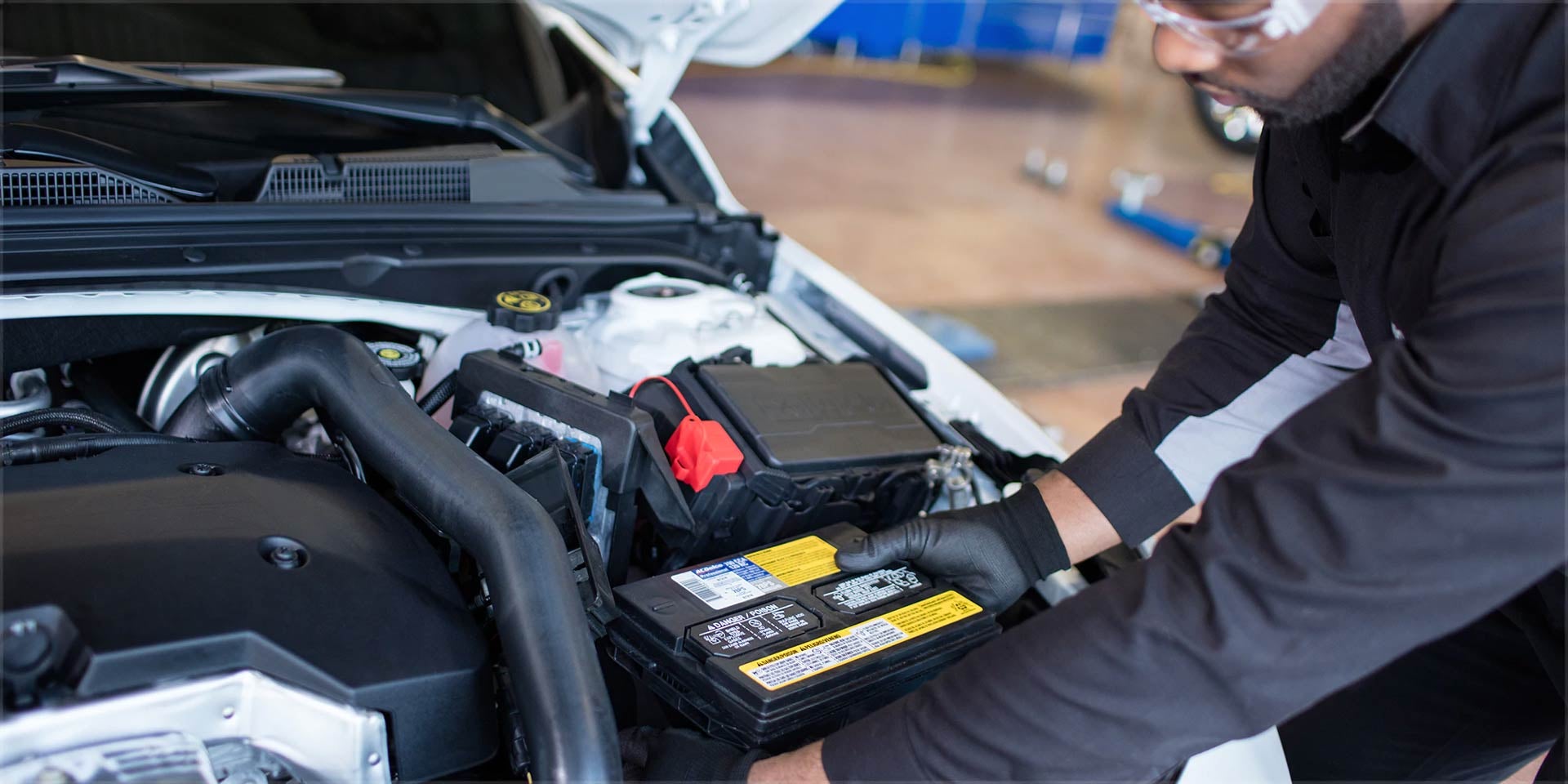
GM Battery Replacement

Why Does My Chevy Say "Service Battery Charging System"? Alternator, Battery, and Electrical Problems Explained

If your Chevrolet displays a "Service Battery Charging System" warning, the vehicle has detected a problem that may prevent its 12-volt battery from charging properly. Possible causes include a failing alternator, a weak or damaged battery, loose or corroded electrical connections, a drive belt problem, or a fault involving the vehicle's charging controls. This warning should not be ignored because the battery may eventually lose enough power to affect the vehicle's electrical systems or prevent the engine from restarting. For Chevy owners in Milledgeville, GA, understanding the difference between a battery problem and a charging system malfunction can help you recognize the warning signs and determine when professional diagnostics are necessary. Schedule Chevrolet Electrical Diagnostics Explore Chevrolet Battery Service What Does "Service Battery Charging System" Mean on a Chevy? The "Service Battery Charging System" message means your Chevrolet has detected a fault involving its electrical charging system. On gasoline and diesel Chevrolet vehicles, the charging system helps maintain the 12-volt battery's charge while supplying electrical power to vehicle components. The system typically includes an alternator, battery, wiring, connections, electronic controls, and a drive belt. When everything works properly, the engine-driven alternator generates electrical power and helps maintain an appropriate battery charge. However, if a charging system component stops working correctly, the vehicle may begin relying more heavily on the battery's remaining stored energy. As battery voltage drops, electrical features may become unavailable, and the vehicle may eventually stop operating. For example, a Chevrolet Silverado traveling between Milledgeville and Sandersville might display the warning if the charging system detects an electrical malfunction. The message does not automatically mean that the battery itself needs replacement. A professional inspection can help determine whether the issue involves the alternator, battery, wiring, belt, or another component. This article focuses on the conventional 12-volt charging systems used in gasoline- and diesel-powered Chevrolet vehicles. Chevrolet electric vehicles have additional high-voltage systems and different service requirements. What Causes a Chevy Service Battery Charging System Warning? Several different problems can prevent a Chevrolet's charging system from operating properly. Potential causes include: Failing alternator: The alternator may not generate the electrical power required by the vehicle. Weak or damaged battery: A deteriorated battery may have difficulty accepting or maintaining a charge. Loose battery connections: Poor electrical contact can interfere with current flow. Corroded battery terminals: Corrosion may increase electrical resistance at the connections. Damaged serpentine belt: A worn, loose, or broken belt can prevent the alternator from operating correctly. Electrical wiring problems: Damaged cables, grounds, or connections can interrupt charging. Charging system sensor faults: Faulty monitoring components may provide incorrect information. Electronic control problems: Certain faults involving charging system management can trigger warnings. These problems can produce similar dashboard messages, which is why diagnostic testing is important before replacing components. 1. A Failing Alternator The alternator is one of the primary components responsible for generating electrical power in most gasoline- and diesel-powered Chevrolet vehicles. When the engine is running, the alternator converts mechanical energy into electrical energy. That power helps support the vehicle's electrical systems and maintain the battery's charge. If the alternator cannot provide the required electrical output, the battery may begin supplying power that the charging system would normally provide. What Are the Signs of a Bad Chevy Alternator? Possible symptoms include: A Service Battery Charging System message. An illuminated battery-shaped dashboard warning. Headlights that become dim or behave abnormally. Electrical accessories that begin operating inconsistently. A battery that repeatedly becomes discharged. Difficulty restarting after the vehicle has been driven. Multiple electronic warnings appearing as voltage drops. For example, a Chevrolet Traverse used for daily travel around Milledgeville may start normally but later display a charging warning while driving. If the alternator is failing, the battery may not receive enough charge to support continued vehicle operation. However, these symptoms do not prove that the alternator needs replacement. A damaged belt, wiring problem, or control-system fault can produce similar results. Can an Alternator Fail While You're Driving? Yes. An alternator can stop charging while the engine is running. Depending on the vehicle, the battery may temporarily supply electrical power, but that reserve is limited. The vehicle may eventually experience electrical malfunctions, reduced functionality, or an engine shutdown. For drivers on Highway 441 or other roads around Baldwin County, a charging warning should be treated as a reason to find a safe stopping location and arrange service rather than continue a long trip. 2. A Weak or Damaged Chevrolet Battery The vehicle battery stores electrical energy used for starting the engine and supporting vehicle electronics. Although the charging system helps replenish that energy, batteries gradually deteriorate over time. Chevrolet explains that battery life depends on factors such as driving habits, climate, and maintenance. Infrequent driving, repeated short trips, excessive discharge, and high temperatures can contribute to battery wear. How Can You Tell Whether Your Chevy Battery Is Weak? Some warning signs include: Slow engine cranking. Clicking or difficulty starting. Dim interior lights. A battery that repeatedly needs charging. Visible battery case damage or leakage. Electrical accessories behaving unexpectedly. For example, a Chevrolet Equinox used primarily for short trips around Eatonton may not always receive enough driving time to replenish the energy used during starting, depending on its operating conditions. Over time, this can contribute to a low battery state of charge. However, a battery that repeatedly loses charge may also indicate a malfunctioning alternator or an electrical component drawing power when the vehicle is parked. Does Service Battery Charging System Always Mean the Battery Is Bad? No. The warning identifies a charging-system concern, not necessarily a defective battery. Installing a new battery will not correct a malfunctioning alternator, loose electrical connection, or damaged drive belt. Likewise, replacing an alternator may not resolve a problem caused by a damaged battery cable or charging control fault. At Childre Chevrolet's Battery Service Center, our Certified Service team can evaluate battery condition and help identify concerns that require additional electrical diagnostics. 3. Loose or Corroded Battery Connections A battery depends on secure electrical connections to deliver power and receive charging current. If the terminals become loose or heavily corroded, electrical resistance can increase. This may interfere with normal electrical operation. Depending on the severity of the problem, a Chevrolet may experience starting difficulties, intermittent electronic warnings, or charging-related symptoms. What Does Battery Terminal Corrosion Look Like? Corrosion may appear as a white, bluish, or greenish buildup around battery terminals and connections. It can develop because of battery-related chemical reactions, moisture, and environmental exposure. For drivers in Central Georgia, regular battery inspections are useful because hot weather and ordinary battery aging can contribute to electrical system concerns. Can You Inspect the Battery Connections Yourself? On a conventional gasoline- or diesel-powered Chevrolet, you may be able to visually inspect accessible battery connections while the vehicle is turned off. Look for obvious corrosion, damaged cables, or visible battery case problems. However, battery locations and electrical service procedures vary by model. Do not disconnect battery cables while the engine is running. Also, avoid attempting to clean or handle a swollen, cracked, or leaking battery. Battery electrolyte can cause serious injuries, and charging batteries may release flammable gases. If you are uncertain about the correct procedure, have the battery inspected professionally. 4. A Worn or Broken Serpentine Belt On many Chevrolet engines, the alternator is driven by a belt connected to the engine's rotating components. If the belt slips, becomes damaged, or breaks, it may no longer drive the alternator correctly. As a result, the charging system may not generate the required electrical power. Signs of a Possible Belt Problem A charging-system warning appears. An unusual squealing or chirping noise develops. The belt has visible cracking, fraying, or damage. Charging performance changes with engine operation. Additional engine-system warnings appear. For example, an older Chevrolet Silverado with a damaged accessory drive belt may develop a charging problem even when its battery is otherwise functional. On some engines, the same belt also operates other important accessories, so a belt failure can create additional problems. Drivers should not continue normal driving with a suspected broken belt. Never reach near belts, pulleys, fans, or other moving engine components while the engine is running. Professional inspection can determine whether the belt, tensioner, pulley, or another component requires attention. 5. Wiring, Ground Connections, and Charging System Sensors Modern Chevrolet electrical systems rely on properly functioning wiring, grounds, sensors, and electronic controls. Depending on the model, the vehicle may monitor battery current, battery temperature, system voltage, and other charging conditions. These systems can adjust charging behavior according to the vehicle's electrical needs. If a connection is damaged or a sensor provides incorrect information, charging performance may be affected. Can a Bad Ground Connection Cause Charging Problems? Yes. An electrical ground provides a return path for current flowing through the vehicle's circuits. If a ground cable becomes loose, damaged, or excessively corroded, electrical systems may behave unpredictably. For example, a Chevrolet Tahoe may experience intermittent electrical warnings because of an issue involving a power or ground connection. However, the symptoms alone cannot identify the responsible cable. Electrical testing may be necessary to determine where excessive resistance or an interruption exists. Can a Battery Sensor Cause the Warning? Certain Chevrolet vehicles use battery monitoring sensors to help manage electrical charging. A sensor or related wiring fault may interfere with accurate charging-system information. However, sensor replacement should follow the appropriate diagnostic procedures. Not every Chevrolet uses the same battery sensor design or charging control strategy. Service Battery Charging System vs. Battery Saver Active: What's the Difference? Chevrolet vehicles may display several battery-related messages, but they do not all describe the same condition. Understanding the exact wording can help you explain the problem when scheduling service. Dashboard Message or Symptom What It May Mean Recommended Action Service Battery Charging System A charging-system malfunction has been detected. Arrange prompt electrical system diagnostics. Battery Saver Active Battery voltage is low enough that the vehicle may reduce certain electrical loads. Reduce unnecessary electrical use and investigate persistent warnings. Low Battery The battery's state of charge or voltage may be below the expected level. Have battery condition and charging performance checked. Battery-Shaped Warning Light While Driving The vehicle may have an electrical charging problem. Find a safe stopping place and arrange service. Slow Cranking or Clicking The battery may be discharged, weak, or unable to supply sufficient starting power. Test the battery and starting/charging systems. Repeatedly Dead Battery Possible battery deterioration, charging fault, or electrical drain. Request a complete battery and electrical inspection. Dashboard messages and their specific meanings vary by Chevrolet model and model year. Always consult your vehicle's owner's manual. What Does Battery Saver Active Mean? On applicable Chevrolet vehicles, the Battery Saver Active message can appear when the vehicle detects low battery voltage and begins reducing certain electrical loads. For example, some comfort or convenience features may temporarily operate differently while the vehicle attempts to conserve electrical power. Although the message may be associated with a discharged battery, it can also appear when an underlying charging problem prevents the battery from maintaining its charge. If it appears repeatedly, professional inspection is recommended. What Does the Battery Warning Light Mean? Chevrolet explains that a battery-shaped charging-system light normally illuminates briefly during vehicle startup. However, if the light remains illuminated or appears while driving, it may indicate an electrical charging-system problem. Continuing to drive may drain the 12-volt battery. If you must travel a very short distance to reach a safe location, Chevrolet advises switching off unnecessary electrical accessories. Do not assume a particular driving distance is safe, because the remaining battery capacity is unknown. What Happens if Your Chevy Alternator Stops Charging While Driving? If the alternator stops providing adequate electrical power, the battery may temporarily supply the electricity needed by the vehicle's systems. However, the battery contains a limited amount of stored energy. As its charge decreases, electronic components may begin operating abnormally. Possible consequences include: Dimming lights. Electrical accessories becoming unavailable. Multiple dashboard warnings. Reduced system functionality. Difficulty restarting the engine. Possible engine shutdown or loss of electrical assistance, depending on the vehicle. For example, a Chevrolet Traverse traveling along Highway 441 toward Milledgeville could experience a charging-system fault while the engine is running. Even if the vehicle initially continues driving, the available battery power may decrease until normal operation is no longer possible. That is why a charging-system warning should be addressed promptly rather than ignored until the vehicle refuses to start. Can You Drive With Service Battery Charging System On? Continuing to drive with a charging-system warning can be risky because the vehicle may lose electrical power and stop operating. Chevrolet recommends service when the charging-system warning light remains on or appears while driving. If the warning appears while traveling, remain calm and move toward a safe place to stop. Depending on the vehicle's condition, this may mean reaching a nearby parking area or safely leaving a busy roadway. If you must drive a short distance to reach safety, reduce unnecessary electrical loads when practical. What Should You Do When the Warning Appears? Pay attention to the exact message and any additional warning lights. Avoid starting a long trip or continuing normal highway driving. Find a safe location to stop. Switch off nonessential electrical accessories if doing so is safe. Watch for abnormal steering, lighting, engine, or electrical behavior. Follow your specific Chevrolet owner's manual. Arrange professional service or towing when appropriate. If the vehicle loses power, displays serious additional warnings, or becomes difficult to control, stop safely and request assistance. Do not attempt to keep driving simply because the engine has not yet shut off. Will Replacing the Battery Fix Service Battery Charging System? Sometimes a battery replacement is necessary, but it will not resolve every charging-system fault. If the alternator is failing, the new battery may discharge because the vehicle still cannot recharge it properly. Similarly, a damaged charging cable or poor ground connection may continue interfering with electrical operation after a battery replacement. For example, a Chevrolet Equinox that repeatedly needs a jump-start may have a deteriorated battery. However, if the charging system is not functioning correctly, replacing the battery alone could leave the problem unresolved. Before replacing parts, a technician can evaluate the battery's health and the vehicle's ability to charge it. What if the Warning Appears After Installing a New Battery? If your Chevy displays Service Battery Charging System after a battery replacement, there may still be an unresolved charging or electrical problem. Possible explanations include: A charging-system fault that existed before the battery replacement. A loose or improperly connected battery cable. A battery that does not meet the vehicle's specifications. A damaged battery monitoring component. A separate alternator, wiring, or control-system problem. The vehicle may also require model-specific procedures after certain battery or electrical system repairs. However, a new battery does not automatically require replacement or electronic recalibration simply because a warning is present. The correct next step is to inspect the applicable charging-system components and diagnostic information. Why Does My Chevy's Battery Keep Dying? A Chevrolet battery that repeatedly becomes discharged may have one of several underlying problems. A deteriorated battery may no longer hold enough energy to start the engine reliably. Alternatively, the alternator may not be replenishing the battery during normal driving. Another possibility is an electrical component continuing to draw excessive power while the vehicle is parked. What Is a Parasitic Battery Drain? A parasitic electrical drain occurs when a vehicle continues using more battery power than expected while parked and turned off. Some electrical activity is normal because modern vehicles maintain functions such as security systems, memory settings, and electronic modules. However, a malfunctioning accessory, module, or wiring circuit can sometimes use excessive power. For example, a Chevrolet Silverado that repeatedly has a dead battery after sitting overnight may need more than a simple battery replacement. A technician can test the battery, charging system, and electrical draw to determine the source of the problem. Can Cold Weather Cause Chevrolet Battery Problems? Yes. Colder weather can affect a battery's ability to provide starting power, particularly when the battery is already weak or partially discharged. Although Central Georgia generally experiences milder winters than many northern regions, colder mornings can still expose a deteriorating battery. For example, a Chevrolet Malibu parked overnight in Sparta may crank more slowly during a cold morning. However, a battery that struggles during cold weather does not automatically mean the alternator has failed. The battery may simply need testing, or another starting-system component may be responsible. What About Georgia's Summer Heat? Heat can also affect battery health. Chevrolet explains that warmer climates may contribute to battery deterioration, reducing battery life over time. For vehicles used around Milledgeville, Eatonton, and Macon, regular battery inspections can help identify signs of deterioration before a no-start condition develops. Can You Test a Chevy Battery at Home? Some basic observations can help you recognize battery-related problems, but they cannot identify every charging-system fault. For example, slow cranking may indicate insufficient starting power, while visibly corroded terminals may suggest a connection problem. A voltage measurement can also provide useful information, but modern Chevrolet charging systems may intentionally vary charging voltage according to operating conditions. Therefore, one voltage reading alone is not enough to determine whether a battery, alternator, or charging control system is defective. Professional testing may include battery conductance testing, starting-system evaluation, charging output measurements, and diagnostic trouble code analysis. Should You Disconnect the Battery While the Engine Is Running? No. Never disconnect the battery while the engine is running to test the alternator. Chevrolet specifically warns against disconnecting battery cables during engine operation. Doing so can create electrical hazards and potentially damage sensitive vehicle electronics. Similarly, do not attempt to bypass charging-system components or handle moving belts and pulleys. If you suspect an alternator fault, have the system tested using proper diagnostic equipment. How Do Chevrolet Technicians Diagnose Charging System Problems? Accurate diagnostics help distinguish between battery deterioration, charging-system faults, and other electrical problems. Depending on the vehicle and symptoms, testing may include: Battery Health Testing A technician may use a conductance tester or other appropriate equipment to evaluate the battery's condition. This helps determine whether the battery can provide the required starting power and maintain an acceptable charge. Alternator and Charging Output Testing The charging system can be evaluated under the appropriate conditions to determine whether it is generating and regulating electrical power correctly. Technicians must account for the vehicle's electronic charging strategy rather than relying on a single universal voltage value. Battery Terminal and Cable Inspection Electrical connections may be checked for looseness, corrosion, damage, or excessive resistance. Serpentine Belt Inspection On applicable vehicles, technicians may inspect the drive belt, tensioner, and pulleys for problems affecting alternator operation. Diagnostic Trouble Code Review Stored or active trouble codes may provide information about charging system controls, voltage conditions, or communication faults. Battery Drain Testing When a battery repeatedly loses charge while the vehicle is parked, technicians may check for excessive electrical draw. At Childre Chevrolet's Certified Service Department, our team can investigate starting, battery, and charging-system concerns and recommend the appropriate repair based on diagnostic findings. How Can You Help Maintain Your Chevy's Battery? Routine battery inspections can help identify wear and electrical connection problems before they result in a no-start condition. Chevrolet recommends periodic battery inspection and testing as part of vehicle maintenance. Helpful maintenance practices include: Have the battery inspected periodically. Check for visible corrosion, cracks, or leakage. Keep unnecessary accessories from draining the battery while parked. Follow the manufacturer's recommendations for vehicles used infrequently. Use a compatible battery type when replacement is needed. Address repeated slow-cranking or no-start symptoms. Have persistent dashboard charging warnings diagnosed. Childre Chevrolet offers Certified Chevrolet Battery Service, including battery condition testing. Battery inspections may also be included during routine maintenance visits. For drivers who frequently travel between Milledgeville, Eatonton, and Macon, checking battery condition before a longer trip can help identify potential problems. However, routine maintenance cannot prevent every unexpected electrical failure. When Should You Schedule Chevrolet Battery or Alternator Service? Schedule an inspection if your Chevrolet experiences any of the following: A persistent Service Battery Charging System warning. A battery-shaped warning light while driving. Repeated Battery Saver Active messages. Slow engine cranking or difficulty starting. A battery that repeatedly loses charge. Dimming or flickering lights. Electrical accessories operating abnormally. Unusual belt noises with charging symptoms. Multiple electronic warnings appearing together. If the charging warning appears while driving, do not delay seeking assistance. A vehicle with an active charging-system failure may not have enough remaining electrical power to reach the dealership safely. When necessary, arrange roadside assistance or towing rather than continuing to drive. Frequently Asked Questions About Chevy Charging System Warnings What does Service Battery Charging System mean on my Chevy? It means the vehicle has detected a problem involving its electrical charging system. Possible causes include an alternator malfunction, battery problem, damaged wiring, or an issue with charging controls. Professional diagnostics can determine the cause. Does Service Battery Charging System mean my alternator is bad? Not necessarily. A failing alternator is one possible cause, but the warning can also involve battery condition, wiring, terminals, belt operation, or electronic controls. Testing should identify the actual problem before parts are replaced. Can a bad battery cause a Service Battery Charging System warning? Yes. Certain battery faults can contribute to charging-system problems. However, a weak battery may also be the result of an alternator or wiring problem. Both the battery and charging system should be evaluated. Can I drive with the Service Battery Charging System warning? Continuing to drive can be risky because the vehicle may eventually lose electrical power. Find a safe stopping location, follow your Chevrolet owner's manual, and arrange prompt service or towing if necessary. How long will my Chevy run with a bad alternator? There is no reliable universal time or distance. Remaining operating time depends on battery condition, electrical demand, and the vehicle's systems. The engine may stop or electrical functions may become unavailable without much warning. What does Battery Saver Active mean on a Chevy? On applicable Chevrolet models, Battery Saver Active indicates that battery voltage has fallen enough for the vehicle to begin reducing certain electrical loads. Persistent or recurring messages should be investigated because they may indicate a weak battery or charging problem. Why does my Chevy battery keep dying even though it is new? A new battery can still become discharged if the alternator is not charging properly, a connection is faulty, or an electrical component is drawing excessive power while the vehicle is parked. Diagnostic testing can help identify the underlying problem. Can a bad serpentine belt cause a charging-system warning? Yes. On engines where the belt drives the alternator, a worn, slipping, or broken belt can interfere with electrical charging. The belt and related components should be inspected when a belt problem is suspected. Why does the battery light come on while driving? A battery-shaped charging-system warning that appears while driving can indicate an electrical charging malfunction. Chevrolet recommends getting the vehicle serviced because continuing to drive can drain the battery. Can I jump-start my Chevy if the alternator is bad? A jump-start may temporarily start a vehicle with a discharged battery, but it does not repair a faulty alternator. The vehicle may stop operating again if the charging system cannot provide sufficient electrical power. Follow your owner's manual and arrange professional assistance. Why did the warning come back after replacing the battery? The underlying problem may involve an alternator, electrical connection, charging sensor, or another component. Replacing a battery will not correct those faults. Have the charging system inspected rather than replacing additional parts without testing. Can Childre Chevrolet test my battery and charging system? Yes. Childre Chevrolet provides Certified Chevrolet Battery Service and general vehicle maintenance and repair. Our service team can evaluate battery condition and investigate charging-related symptoms to determine which components require attention. Schedule Chevrolet Battery and Charging System Diagnostics in Milledgeville, GA A Service Battery Charging System warning may indicate a failing alternator, weak battery, damaged electrical connection, drive belt problem, or another charging-system malfunction. Because several different problems can produce the same warning, professional diagnostics are important before replacing parts. At Childre Chevrolet, our Certified Service team can help investigate battery, alternator, and electrical system concerns. Located at 2710 North Columbia Street in Milledgeville, GA, we welcome Chevrolet owners from Eatonton, Sparta, Macon, Sandersville, and surrounding Central Georgia communities. Whether your Silverado displays Service Battery Charging System, your Equinox repeatedly loses battery power, or your Traverse struggles to start, our team can help determine the appropriate next steps. Visit our Chevrolet Battery Service page to learn more about battery maintenance, or browse our current service and parts specials for applicable offers. If a charging warning is active and the vehicle may not be safe to drive, arrange assistance rather than attempting to reach the dealership without sufficient electrical power. Schedule Chevrolet Electrical Service Explore Battery Service This article provides general information about conventional Chevrolet 12-volt batteries and electrical charging systems. Warning messages, charging components, diagnostic procedures, and service requirements vary by model and year. Electric and hybrid vehicles may have different systems and safety requirements. Do not disconnect battery cables while the engine is running or handle damaged batteries without appropriate precautions. If your vehicle develops an active charging-system fault, unsafe electrical behavior, or difficulty remaining operational, stop safely and arrange professional assistance.

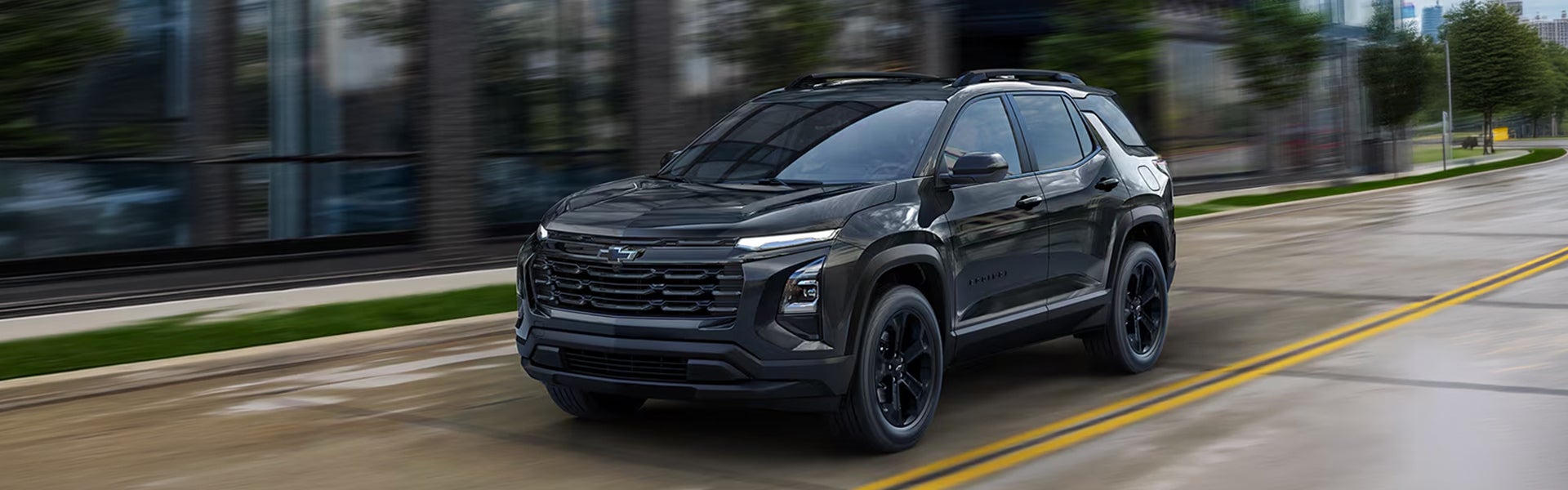
2027 Chevy Equinox

Inside the 2027 Chevrolet Equinox LT: Features You’ll Use Every Day

If you are considering a 2027 Chevrolet Equinox LT at Childre Chevrolet, start your visit inside the SUV. The LT’s screens, heated seats, and flexible cargo area are features you can try before deciding whether it fits your daily drive around Milledgeville. Get comfortable with the displays The Equinox LT has an 11.3-inch infotainment touchscreen and an 11-inch Driver Information Center. Adjust the driver’s seat, then check how easily you can read both displays. Try changing the information shown in front of the steering wheel and finding the audio controls you use most often. Pair your phone, too. The Equinox supports compatible Apple CarPlay and Android Auto, so you can see how your usual maps and music apps appear on the touchscreen. Wireless phone charging is available on equipped vehicles; check the specific LT you test drive if that feature matters to you. Try the front and rear seats Heated front seats and a heated steering wheel are standard on the LT. Once you have found a comfortable driving position, sit behind it to check rear legroom. The Equinox seats five, but the useful question is how well your passengers fit together. If you regularly use a child seat, bring it to the dealership. You can check the space it takes up and see how easily passengers can get in and out beside it. Load the cargo area your way Open the liftgate with the rear seats upright first. Is there enough space for the groceries, sports bags, or stroller you carry most often? Then fold the rear seatbacks to see how the space changes. The Equinox offers up to 63.5 cubic feet of cargo volume with the rear seats folded, plus storage beneath the rear cargo floor for smaller items. A maximum cargo figure cannot show you whether your own gear fits comfortably. Bring a bulky item if loading space is a deciding factor. Ask to see the driver assistance settings The 2027 Equinox includes Chevy Safety Assist, with features such as Forward Collision Alert, Automatic Emergency Braking, and Lane Keep Assist with Lane Departure Warning. Ask a Childre Chevrolet team member to show you where to view the settings and how the alerts work. Features such as HD Surround Vision are available on equipped vehicles. When you visit Childre Chevrolet in Milledgeville, give yourself time to use the Equinox LT as you would on a normal day: connect your phone, seat your passengers, load your gear, and drive a familiar route. That hands-on check will make its everyday features easier to judge.